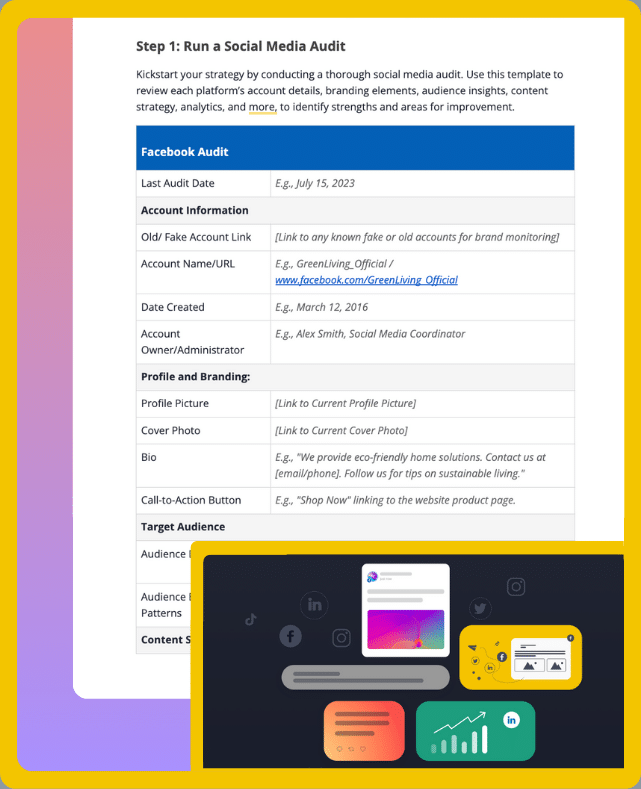
Efficient Strategies to Manage Reposted Content in One Place
In today’s digital age, the sharing and reposting of content have become essential tools for engagement and growth. It’s crucial to manage reposted content in one place to maintain clarity and coherence in your online presence. Whether you’re a digital marketer, a social media manager, or a content creator, understanding how to effectively handle reposted material can make a significant impact on your brand strategy and audience engagement. This article will discuss various techniques, tools, and best practices to ensure your reposted content is organized and effective.
Understanding Reposted Content
Reposted content includes any material—articles, videos, images—originally created by someone else and shared on your platform. This practice can extend your reach and make your profile appear more active. However, without proper management, reposted content can lead to a diluted brand message and mixed audience engagement.
The Importance of Managing Reposted Content
Proper management of reposted content is vital for several reasons:
- Brand Consistency: Maintaining a unified tone and message across your content helps reinforce your brand identity.
- Audience Engagement: Regularly sharing relevant content keeps your audience engaged and encourages interaction.
- SEO Benefits: Managing reposts properly can enhance your search engine optimization by linking back to original content and improving your site’s authority.
Strategies for Managing Reposted Content
1. Use Content Management Tools
Investing in content management systems such as Hootsuite, Buffer, or Sprout Social can streamline the process of managing reposted content. These platforms allow you to organize, schedule, and analyze your reposts in one place, making your workflow more efficient.
2. Create a Content Calendar
A content calendar helps you plan out your reposted content in advance. By scheduling reposts strategically, you can ensure that your feed remains fresh and engaging. A calendar will also help you track which pieces of content have been shared, preventing redundancy.
3. Categorize Your Content
Not all reposted content is created equal. Classify your reposts into categories such as industry news, tips, tutorials, or user-generated content. By doing this, you can create a varied content mix that caters to different audience interests.
4. Maintain Attribution
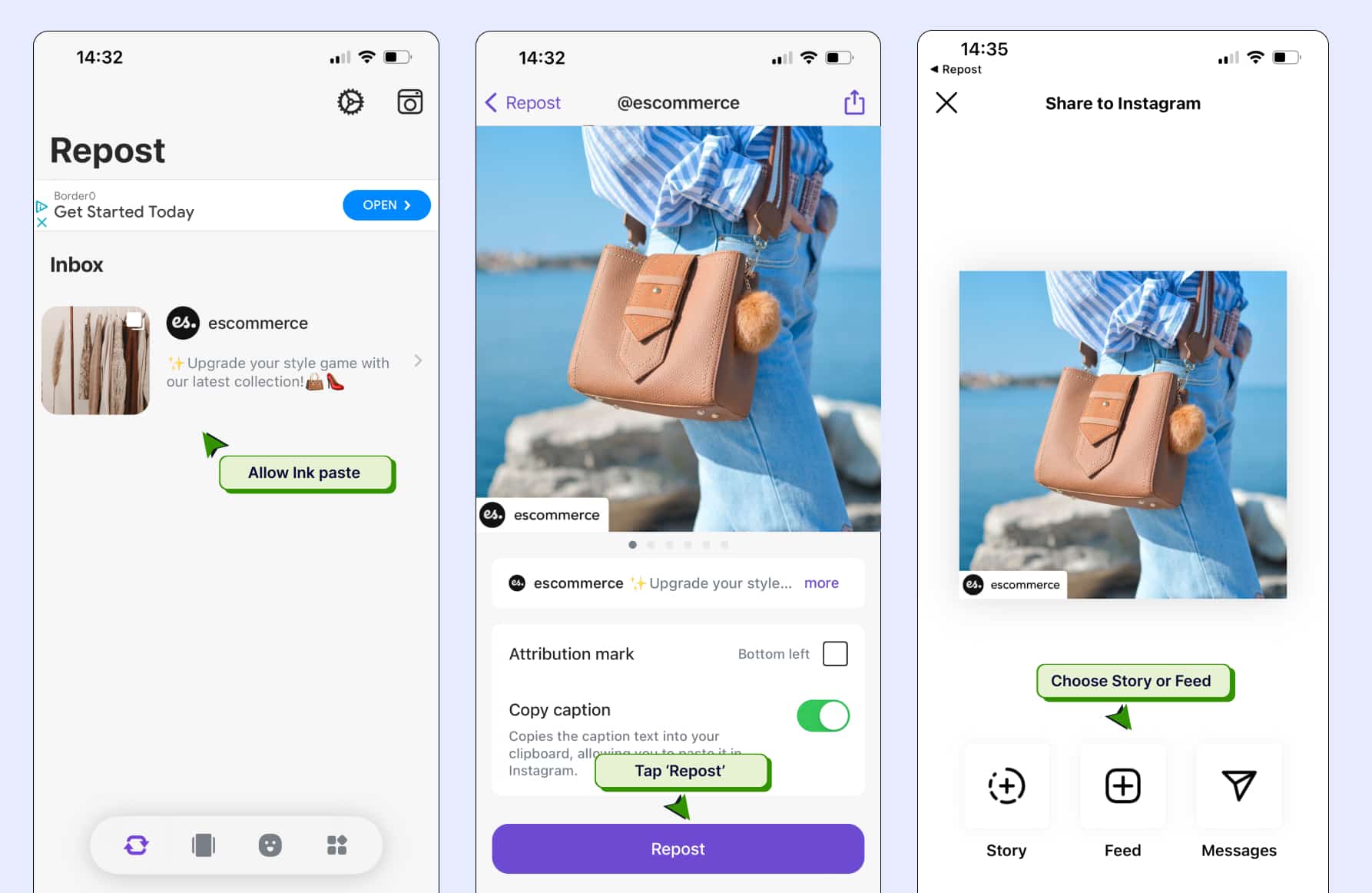
Always credit the original content creator when reposting their material. Not only does this build good relationships within your industry, but it also strengthens your reputation. By giving proper attribution, you might even encourage other creators to reshare your original content in return.
Best Practices for Reposting
1. Add Your Perspective
When reposting content, try to add your unique voice or perspective to it. A simple comment or additional thought can make the post more engaging and encourage your audience to interact.
2. Monitor Engagement
Keep an eye on how your reposted content is performing. Use analytic tools to measure engagement levels, such as likes, shares, and comments. Understanding which types of reposts resonate with your audience can help refine your future strategies.
3. Balance Original and Reposted Content
While reposted content is valuable, it’s essential to balance it with your original content. A good rule of thumb is to maintain a mix of 70% original content and 30% reposted content. This ensures that your brand remains the primary focus.
4. Engage with Original Authors
When you share someone else’s content, engage with them by tagging or mentioning them in your posts. This not only builds relationships but can lead to potential collaborations in the future.
Challenges of Reposted Content Management
Managing reposted content is not without its challenges. Here are some common issues:
- Content Overload: Sharing too much reposted content can overwhelm your audience, leading to disengagement.
- Inconsistency: If not managed properly, reposts can create inconsistency in your brand message.
- Legal Issues: Failing to give proper credit or reposting content without permission can lead to copyright issues.
Conclusion
In conclusion, managing reposted content effectively is crucial for maintaining a cohesive and engaging online presence. By utilizing content management tools, creating a content calendar, categorizing information, and following best practices, you can ensure that your reposted material enhances your brand rather than detracts from it. While it may present some challenges, the benefits of reposting can far outweigh the drawbacks if handled with care and strategy. Stay proactive, and your reposted content will undoubtedly contribute to your overall digital success.