

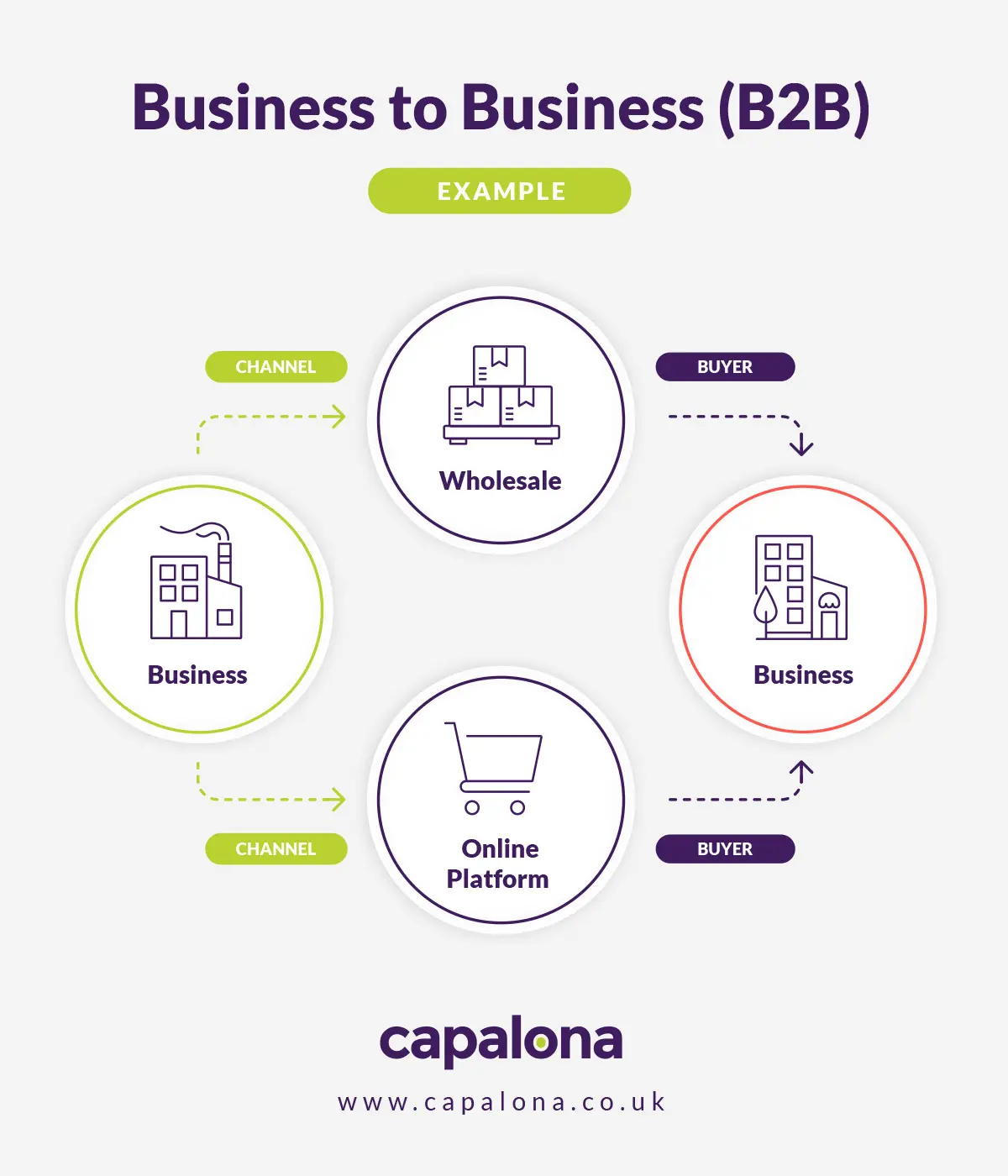
As the world becomes increasingly interconnected, the need for efficient trade solutions has never been more crucial. B2B platform Turkey wholesale turanline.com is one of several platforms that exemplify this shift towards digitalization in wholesale trade. With Turkey emerging as a significant hub for commerce between East and West, B2B platforms are becoming instrumental in fostering international trade relations. This article delves into the dynamics of B2B platforms in Turkey, the benefits they provide to businesses, and their role in the future of wholesale globally.
The Importance of B2B Platforms in Today’s Global Economy
The B2B market is vast, estimated to be worth over $6 trillion in the U.S. alone. With more businesses recognizing the potential of digital platforms for wholesale trade, Turkey has strategically positioned itself to cater to both local and international markets. B2B platforms facilitate connections between manufacturers, wholesalers, and retailers, streamlining the purchasing process and reducing operational costs. As businesses increasingly seek to operate online, the demand for B2B platforms is set to continue its upward trajectory, underlining their importance in the global economy.

Turkey as a Hub for B2B Trade
Situated at the crossroads of Europe and Asia, Turkey has a unique geographical advantage that supports its role as a trade hub. The country’s emerging economy, coupled with its strong manufacturing capabilities in sectors such as textiles, construction, and automotive, provides fertile ground for B2B platforms. Additionally,

Turkey’s favorable trade agreements with various countries enhance its appeal as a wholesale marketplace, ultimately contributing to the success of B2B platforms that operate within its borders.
Key Features of B2B Platforms in Turkey
Several key features define the success of B2B platforms in Turkey, making them attractive to businesses looking to enter wholesale markets.
- User-Friendly Interface: B2B platforms prioritize ease of use, with intuitive interfaces that allow buyers and sellers to navigate efficiently.
- Robust Product Listings: Detailed product descriptions, images, and specifications enhance the purchasing decision process.
- Secure Payment Solutions: Ensuring safe transactions is paramount, with many platforms integrating various payment options to enhance security and trust.
- Real-Time Inventory Management: Effective stock control reduces the risk of over-selling and improves supply chain efficiency.
- Customer Support: Efficient customer service channels contribute to a smoother buying experience, from inquiry to delivery.
Advantages of Using B2B Platforms
For businesses, engaging with B2B platforms in Turkey offers numerous advantages:
- Access to a Diverse Marketplace: B2B platforms expose businesses to a vast network of suppliers and buyers, encouraging diversity in sourcing and sales.
- Cost Efficiency: Digital platforms cut down on traditional advertising and overhead costs associated with physical locations.
- Enhanced Visibility: A strong online presence increases brand awareness, reaching potential buyers who may not have been accessible through traditional channels.
- Market Insights: Many platforms provide analytics and data to help businesses understand market trends, preferences, and pricing strategies.
- 24/7 Availability: Businesses can engage in trade at any time, enabling flexibility and convenience.
The Future of B2B Trade in Turkey
As Turkey continues to evolve, its B2B platforms are poised for growth. The integration of advanced technologies like artificial intelligence, machine learning, and blockchain within these platforms offers promising enhancements, such as improved personalization, better transaction security, and efficient supply chain practices. The adaptability of B2B platforms to incorporate emerging technologies will bolster Turkey’s position in the global wholesale market, making it an attractive option for businesses worldwide.
Challenges and Opportunities
Despite the benefits, challenges remain. Concerns related to data security, transaction trust, and market saturation pose hurdles for B2B platforms. However, these challenges also present opportunities for innovation. Companies that harness technology to address these concerns will gain a competitive edge. Furthermore, as the Turkish government continues to support digital transformation initiatives, regulatory frameworks will likely evolve to create a more conducive environment for B2B trade.
Conclusion
As we have seen, B2B platforms in Turkey represent a significant shift in how wholesale trade is conducted. By facilitating connections, ensuring efficiency, and fostering international trade relations, these platforms not only contribute to the local economy but also position Turkey as a global player in the B2B landscape. Embracing the digital revolution that B2B platforms promote will be crucial for businesses looking to thrive in the modern marketplace. In an age defined by rapid change, those who adapt and innovate will lead the charge into the future of trade.