

The Essential Guide to Reports Apps: Everything You Need to Know
In today’s data-driven world, reports app have become indispensable tools for individuals and businesses alike. With the ability to generate, analyze, and interpret vast amounts of data, these applications empower users to make informed decisions based on factual insights. This article will delve into the myriad features, benefits, and practical applications of reports apps, helping you understand why they are crucial in various fields.

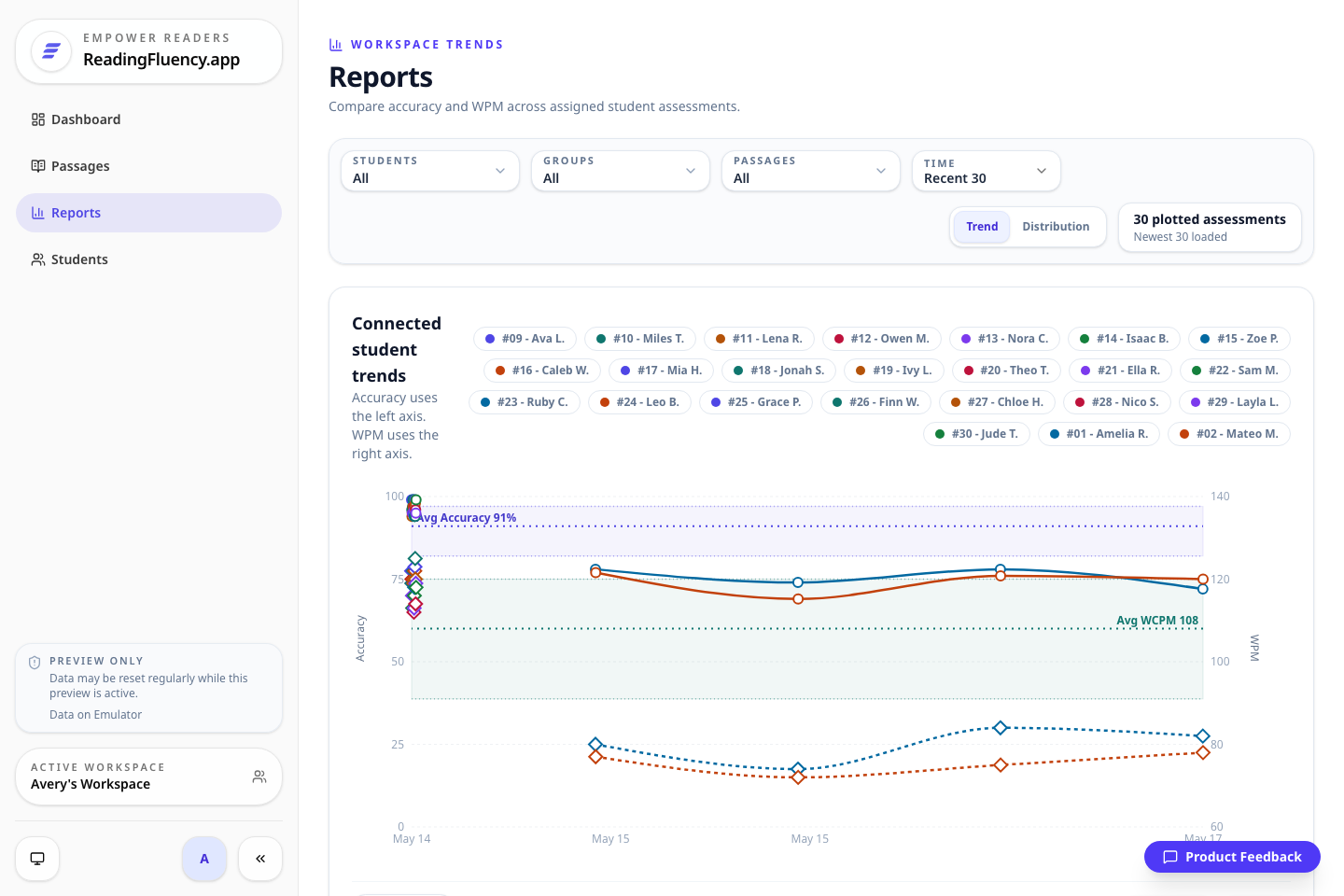
What is a Reports App?
A reports app is software designed to collect, analyze, and present data in a user-friendly format. These applications typically offer various functionalities, including data visualization, reporting templates, and integration with other data sources. They can be utilized for a wide array of purposes, such as tracking social media metrics, managing business finances, or even analyzing educational performance. The versatility of reports apps is one of the key factors contributing to their popularity.
Key Features of Reports Apps
Most reports apps come packed with features that cater to the needs of their users. Here are some of the essential features that you should look for:
- Data Visualization: Great reports apps provide tools for creating graphs, charts, and dashboards, making it easier for users to comprehend trends and patterns in the data.
- Customizable Reports: Users should be able to tailor reports according to their specific requirements, including the selection of data fields, layout, and design.
- Real-Time Data: Many reports apps allow users to retrieve and analyze real-time data, enabling more timely decision-making.
- Collaboration Tools: Features that facilitate team collaboration, such as sharing reports and integrating feedback, can significantly enhance productivity.
- Data Import/Export: The ability to import and export data from various sources ensures that users can consolidate data for a comprehensive view of their operations.
Benefits of Using Reports Apps
Integrating reports apps into your workflow comes with several advantages:
- Improved Decision Making: By having access to accurate and up-to-date information, users can make better decisions, reducing risks and optimizing strategies.
- Time Efficiency: Automating the reporting process saves time and reduces the risk of human error, allowing teams to focus on more critical tasks.
- Enhanced Communication: Clear and visually appealing reports facilitate better communication among team members and stakeholders, leading to more productive discussions.
- Performance Tracking: Organizations can consistently monitor their performance metrics and adjust strategies accordingly, fostering continuous improvement.
- Cost Reduction: Streamlined reporting processes can lead to significant cost savings over time, particularly for businesses managing large datasets.
How to Choose the Right Reports App
With a plethora of reports apps available in the market, selecting the right one can be daunting. Here are some factors to consider:
- Purpose: Identify the specific needs for which you require a reports app. Is it for business performance, social media analytics, or project management? Choose an app that aligns with your goals.
- User-Friendliness: The interface should be intuitive and easy to navigate, reducing the learning curve for new users.
- Integration Capabilities: Look for an app that integrates well with your existing tools and platforms, such as CRM systems, spreadsheets, or social media platforms.
- Customer Support: Choose a provider that offers robust customer support, including tutorials, guides, and responsive assistance, to help you troubleshoot any issues.
- Scalability: As your needs evolve or your business grows, your reports app should be able to scale with you, offering advanced features when necessary.
Popular Reports Apps in the Market
Here are a few of the leading reports apps that are making waves in various industries:
- Google Data Studio: A powerful free tool that integrates seamlessly with other Google services, enabling users to create customizable dashboards and reports.
- Tableau: Known for its robust data visualization capabilities, Tableau allows users to create interactive and shareable dashboards.
- Microsoft Power BI: Popular among businesses, Power BI offers strong business analytics tools to help visualize data and share insights.
- Canva: Though primarily a design platform, Canva’s reporting templates have become popular for their aesthetic appeal, making reports visually engaging.
- Zoho Reports: A popular choice for businesses, Zoho Reports enables collaboration and integrates with other Zoho apps, making it a versatile reporting solution.
Use Cases for Reports Apps
Reports apps find applications in various fields. Here are a few common use cases:
- Social Media Analytics: Track engagement metrics, follower growth, and post-performance to enhance marketing strategies.
- Financial Reporting: Generate insights from transaction data, manage budgets, and predict financial performance.
- Sales Tracking: Analyze sales data to identify trends and optimize conversion rates, helping sales teams elevate their performance.
- Project Management: Monitor project progress, track team performance, and evaluate results through comprehensive reports.
- Educational Performance: Evaluate student performance metrics to improve educational outcomes and strategies in schools.
The Future of Reports Apps
As technology evolves, reports apps are expected to undergo significant transformations:
- AI Integration: The future will likely see the incorporation of artificial intelligence for data analysis, providing deeper insights and predictive analytics.
- Increased Automation: More automated features will minimize manual data-entry tasks, further streamlining workflows.
- Mobile Compatibility: As mobile usage continues to rise, reports apps will focus on developing more robust functionalities for mobile users.
- Enhanced Data Security: With growing concerns over data breaches, future reports apps will emphasize improved security measures to safeguard sensitive information.
Conclusion
Reports apps have become integral tools in managing, analyzing, and interpreting data. Their various features and benefits empower users to make informed decisions, enhance productivity, and improve performance across different sectors. As you consider integrating reports apps into your workflow, keep in mind the specific features that align with your goals and the unique needs of your organization. By doing so, you can navigate the data landscape more effectively and harness the full potential of your data.