

Understanding the Process of Removal from Sanctions Lists
In recent years, the issue of Removal from Sanctions Lists has gained significant attention due to increasing geopolitical tensions and the proliferation of sanctions as a tool of foreign policy. Sanctions are imposed for various reasons, including human rights violations, terrorism, and nuclear proliferation, impacting individuals, corporations, and nations alike. This article delves into the complex process of being removed from sanctions lists and provides insights into the challenges and strategies involved in navigating this legal terrain.
The Nature of Sanctions and Their Impact
Sanctions can take many forms, including trade restrictions, asset freezes, travel bans, and financial penalties. Depending on their severity and scope, these measures can cripple economies, disrupt financial stability, and hamper personal freedoms. Individuals and entities placed on sanctions lists often face significant repercussions, including restricted banking access, loss of business opportunities, and damaged reputations. Consequently, understanding how to effectively pursue removal from these lists is crucial for those affected.
Understanding Sanction Lists
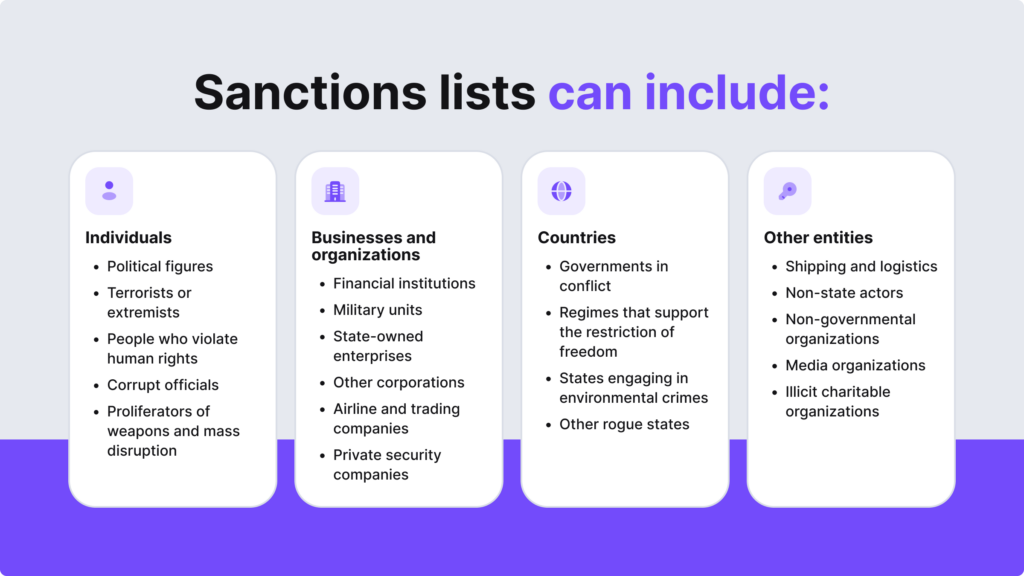
Sanction lists are maintained by various national and international entities, including the United Nations, the European Union, and individual countries like the United States. Each list serves as a public record of entities and individuals subjected to sanctions. The criteria for being placed on these lists vary widely but typically hinge on allegations of wrongdoing or non-compliance with international norms. The transparency of these lists can have both positive and negative effects; while it aids in accountability, it can also lead to reputational damage without due process.
The Removal Process: An Overview
Removal from sanctions lists is not an automatic process; it requires significant legal maneuvering and, often, extensive documentation. The general steps involved in seeking removal include:
- Understanding the Grounds for Sanction: Familiarize yourself with the specific reasons outlined for the sanction.
- Gathering Evidence: Compile evidence to counter the allegations, including documents, testimony, and any relevant legal precedents.
- Filing a Request: Submit a formal request for removal to the body that issued the sanctions, often accompanied by legal memoranda and supporting materials.
- Engaging in Dialogue: Be prepared for discussions or negotiations with officials, which may involve legal representatives.
- Awaiting a Decision: Understand that the review process can be lengthy, and be prepared for a variety of possible outcomes.
Legal Framework Governing Removals
The legal procedures for seeking removal from sanctions lists vary from one jurisdiction to another. For instance, the process in the United States may differ significantly from that in the EU or UN. In many cases, entities may have the right to appeal a sanctions decision. In the U.S., the Office of Foreign Assets Control (OFAC) is the primary agency that manages sanctions and associated removal processes. Applicants may also seek redress through the courts if they believe due process has not been observed.


%; height:auto;” />
Common Challenges Faced
The journey to seek removal from sanctions lists can be fraught with obstacles, including:
- Lack of Transparency: Frequently, the reasoning for sanctions is not fully disclosed, making it challenging to formulate an effective removal strategy.
- Burdens of Proof: The burden of proof often lies with the applicant, necessitating the presentation of substantial and convincing evidence.
- Prolonged Procedures: The process can take months or even years, creating ongoing uncertainty and concern for those sanctioned.
Strategies for Effective Removal
While complexities abound, there are strategies that can increase the likelihood of successful removal:
- Legal Expertise: Engage lawyers with expertise in sanctions law and international relations to navigate the intricacies involved.
- Public Relations Management: Manage public perception through strategic communication that addresses the sanctions and their impact.
- Building Alliances: Collaborate with advocacy groups or international entities that may support your case.
Conclusion
Removal from sanctions lists is a nuanced and often complicated process that requires a strategic approach and thorough understanding of the legal landscape. As global dynamics continue to evolve, so too will the mechanisms for imposing sanctions and the protocols for removing individuals or entities from these lists. Those affected must remain vigilant and proactive, leveraging all available resources to navigate this challenging terrain effectively. Whether for an individual or an organization, the path to removal is paved with challenges, but with careful planning, it is possible to build a case for reinstatement.